
By Nigel Warburton, psyche.co
The absence of presence
Mindfulness experts tell us to be present and experience whatever is in front of us. Take a raisin, observe its wrinkles, smell it, taste it carefully in a conscious mode. This is supposed to be an antidote to the absence of presence so common in our age of digital distraction.
As an occasional exercise, I’m sure it’s fine; but I’m sceptical about it as a fundamental way of being. Humans evolved with selective conscious attention, ignoring noise, responding preconsciously to environments, projecting expectations onto them. We ignore the present and we go beyond the present. That serves us well. Imagine taking a ride in a taxi driven by a mindfulness enthusiast who is relishing the light glinting from the bumper of the car in front, the particular smell of the vanilla air freshener, refusing to think aheadÖ
If you really want to practise mindfulness despite the risk of becoming like that taxi driver, try this antidote: meditate on absence.
The presence of absence
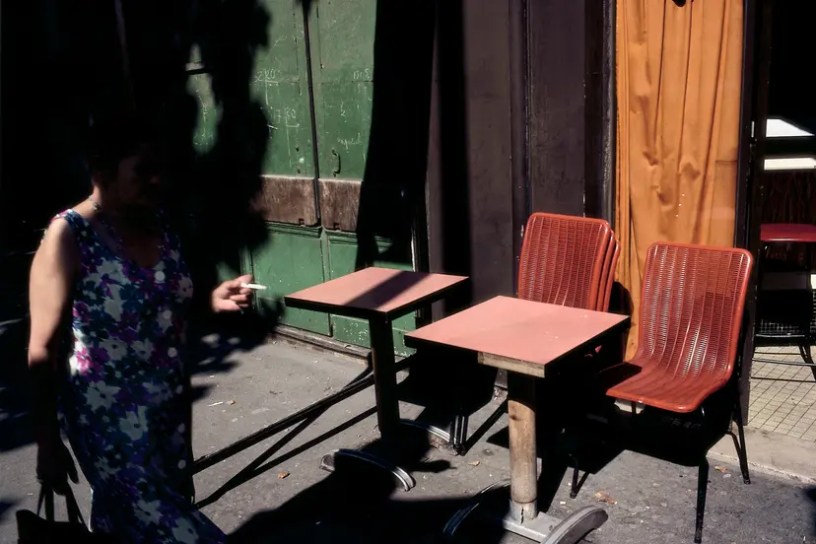
In a passage near the beginning of Being and Nothingness (1943), Jean-Paul Sartre describes arriving late to meet his friend Pierre in a café. He looks around: there are people, tables, cigarette smoke, sounds, smells, colours, a ‘plenitude of being’. ‘I was expecting to see Pierre,’ he writes, ‘and my expectation has made Pierre’s absence happen as a real event.’ As he puts it, ‘Pierre absent haunts this café’.
Here’s the meditation. Sit quietly for 10 minutes. Focus on someone you care about and who you expected to be with you now, but isn’t. Let their absence haunt you. Recognise that the presence of this specific felt absence is an important aspect of who you are that colours so much. This is as much a part of your experience of the world as the wrinkles on a raisin. Acknowledge and relish that, then return to your mostly preconscious way of being.
Keywords, mindfulness, meditation

