
By Susan Treadway, Rehabholistics.com
Busy parents juggling work, caregiving, and everyone else’s needs often sense something is off: stress runs high, feelings go flat, and even “good” days can feel heavy. The core tension is that everyday mental wellness gets treated like a big project, while real life leaves little room for long routines or perfect habits. Emotional self-care can be small, steady, and realistic, especially when standard advice feels hollow or out of reach. With a focus on holistic mental health, this space offers alternative stress relief through creative coping strategies that help the nervous system soften and the mind feel more like home.
Make a 10-Minute AI Portrait for Gentle Emotional Release
When you want something that feels expressive without demanding a big time, or emotional investment, a tiny creative experiment can be surprisingly soothing. Creating art with AI tools can support everyday mental and emotional wellness because it lowers the pressure to “be good” at art while still giving you a way to put feelings somewhere outside your body. Even a simple image-making session can spark curiosity, invite play, and leave you with a small, real sense of accomplishment, often bringing a bit of calm along with it.
One approachable option is using a free AI portrait generator, where you can turn either your own photos or a short text description into a realistic or stylized digital portrait. You’re not locked into one look, either: you can adjust details like lighting, angle, and artistic effects until the image matches what you’re trying to express (or what you can’t quite put into words yet).
Pick 9 Unconventional Practices That Match Your Energy Today
Some days you want a gentle reset; other days you want a full mood-shift. Use this menu like a “choose-your-own-care” board, pick one practice that matches your energy, not your ideal self.
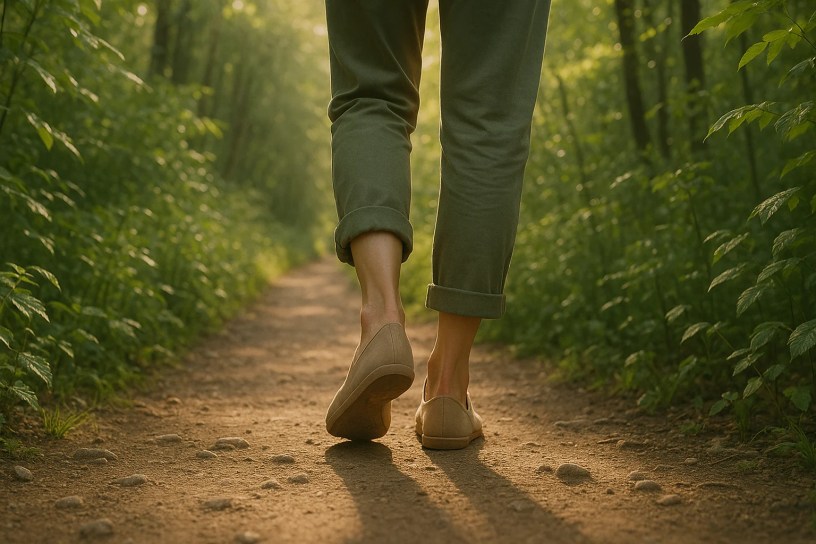
- Do a mini forest bath (even in a city): Walk slowly for 15–30 minutes with one rule: you’re not power-walking, you’re noticing. Touch bark, track shades of green, and let your eyes rest on distances instead of screens. The brain seems to respond to nature exposure in tangible ways, a 90-minute walk in nature reduced neural activity in a brain region linked to rumination, so give yourself permission to wander without “getting steps.”
- Try birdwatching for a quick attention reset: Step outside for 10 minutes and look for three birds; if you can, identify just one by color, call, or behavior. The real benefit is how it gently anchors you in the present, your mind has to track movement, sound, and pattern. If you’re low-energy, do it from a window with a warm drink and treat it like a tiny daily ritual.
- Journal with prompts that create movement, not just insight: Set a timer for 7 minutes and answer one prompt only, in a messy list: “What am I carrying that isn’t mine?” or “What do I need more/less of this week?” Finish with a micro-action: one sentence that starts with “Today I will…” This pairs beautifully with the emotional release you might have felt from making an AI portrait, use your writing to caption the portrait’s mood or give it a voice.
- Use guided visualization as a ‘mental rehearsal’ for calm: Sit comfortably and spend 3 minutes picturing a place where you feel safe, then add sensory detail (temperature, sounds, textures). For the last minute, imagine yourself handling one upcoming stressor with steadiness, how you stand, breathe, and speak. This works well when you can’t change the situation yet, but you can change your nervous system’s expectation.
- Borrow a few art therapy techniques, no talent required: Choose one: draw your feeling as weather, collage a “support system” page from junk mail, or scribble for 60 seconds without lifting your pen. Then circle one shape that feels important and write three words next to it. If you enjoyed the AI-portrait exercise, consider printing it and adding color, symbols, or a border that represents what you want more of.
- Practice tai chi for mental wellness in a tight space: Put on a 5–10 minute beginner routine and move like you’re underwater, slow, smooth, and steady. The goal isn’t perfect form; it’s syncing attention with motion so your mind has fewer places to spiral. When you’re restless or overstimulated, tai chi can feel like “meditation that counts as moving.”
- Use pet companionship therapy on purpose: If you have a pet, try a 5-minute “co-regulation break”: sit with them, match your breathing to their rhythm, and focus on the warmth and weight of their body. If you don’t have a pet, ask a friend to borrow a dog for a walk, visit a cat café, or volunteer at a shelter, connection without heavy conversation still counts.
- Volunteer for mental health, tiny and specific: Pick a role with clear boundaries: one hour of community cleanup, packing food boxes, writing a card to someone isolated, or supporting an animal rescue. Volunteering helps because it shifts you from self-monitoring into contribution, which can soften anxiety’s grip. Start with a “trial run” commitment so it feels safe to keep or change.
- Create a two-minute ‘downshift cue’ to end any practice: After any option above, add a simple closing ritual: inhale through the nose, exhale longer than you inhaled, and relax your shoulders on the out-breath. It’s a small bridge from activity into calm, especially when you want your body to get the message that you’re safe now.
Use One Breathwork Pattern to Downshift in 2 Minutes
Breathwork is exactly that: an accessible mental-wellness practice that asks for almost no equipment, just your attention and a couple of minutes. When you intentionally slow and regulate your breathing, you may help your nervous system settle, ease stress, and create a focused pause between you and whatever is swirling around you. Start gently: try breathing in for a comfortable count and exhaling a little longer, repeating for about two minutes without forcing depth or speed. The goal isn’t to “win” at breathing, it’s to practice steadiness, then build consistency in small, repeatable doses. Many people find the Breathwork Science research library useful for understanding what’s known so far and for finding grounded next steps.
Like any self-care tool, breathwork works best alongside other healthy habits, and it can complement professional support rather than replace it. Next, we’ll make room for the real-life questions that pop up when you’re busy, broke, or worried you’re doing it wrong.
Everyday Mental Wellness Questions, Answered
Q: How can I fit mental wellness into a packed day?
A: Shrink it to a “minimum dose” you can do even on rough days: 60 seconds of breathing, a quick stretch, or one calming song. Attach it to something you already do, like brushing your teeth or waiting for your coffee. If you miss a day, you did not fail. You are simply restarting.
Q: What are affordable self-care options that actually help?
A: Use what you already have: pen and paper for a two-minute brain dump, a free library audiobook, or a walk while noticing five things you can see. Try a “comfort menu” list of no-cost actions so you do not have to think when stressed. Consistency matters more than buying the perfect tool.
Q: How do I stay consistent without getting rigid?
A: Pick one anchor practice and one optional add-on, then adjust the length week to week. Aim for “often” instead of “always,” and track it with a simple check mark. The goal is an adaptable routine, not a strict schedule.
Q: Why do I quit when I can’t do it perfectly?
A: You are not alone, and the pressure is real: perfectionistic concerns have been linked to higher burnout symptoms. Try setting a deliberately small target, like two minutes, and call it a win when you stop on purpose. Practicing “good enough” is a mental wellness skill.
Q: Can I still be motivated without harsh self-criticism?
A: Yes. Adaptive perfectionism can be a healthy desire to grow and improve, without punishing yourself. Choose one tiny experiment, notice what helps, and revise the plan like a kind scientist.
Turn Creative Care Into Sustainable Everyday Mental Wellness
When life is busy and your mind feels tender, self-care can start to feel like one more standard to meet. The steadier path is gentle experimentation, integrated unconventional wellness that fits your real days, guided by sustainable self-care and simple self-compassion practices when things wobble. Over time, your personal mental health journey becomes less about fixing yourself and more about supporting yourself with rhythms you can repeat. Consistency grows from kindness, not pressure.
About the author; Susan Treadway is an addict in recovery. She uses a holistic approach to sobriety to stay on a successful path and believes adopting even a few holistic methods can help anyone struggling with addiction.
She wants everyone to know that you don’t have to be a hippie to embrace holistic wellness – this concept is simply about focusing on your entire sense of well-being rather than just one part. She hopes her website, Rehab Holistics, will inspire anyone who has struggled with addiction to incorporate holistic practices into their own self-care routine.
Keywords; stress, breathing, relaxation

